Timely oil tank removal can help property owners address aging, damaged, or potentially leaking tanks before they lead to more extensive environmental concerns. When an oil tank has reached the end of its useful life or shows signs of deterioration, professional evaluation can help determine whether removal, replacement, or another solution is appropriate. According to Curren Environmental the average life expectancy of an underground oil tank is 10-20 years.
Oil tank removal can also become an important consideration when preparing a property for a real estate transaction or addressing permitting and environmental requirements. Understanding the potential issues associated with an aging or leaking tank can help property owners make informed decisions about the next steps. The appropriate work can vary based on the tank, property, and environmental conditions.
Environmental Concerns
Assess Groundwater Contamination
Oil tank leaks can contribute to soil contamination that affects surrounding environmental conditions, including groundwater. When contamination is suspected, professional soil testing can help identify potential contaminants, assess contamination levels, and evaluate the environmental impact on the property. This testing can provide information about the condition of the affected area.
Post-removal testing can also be performed following underground oil tank removal. If testing identifies contamination that requires additional work, soil remediation can address the affected areas as part of the overall environmental process. Coordinating these services can help address environmental concerns associated with the tank project.
Address Soil Contamination
Oil tank leaks and failures can contaminate surrounding soil and require professional testing and remediation. DEC-compliant soil testing can help determine the extent of contamination and whether remediation is necessary. The results can help establish what additional environmental work may be appropriate.
When contaminated soil requires additional attention, professional remediation can address the affected property. This work may be necessary following an oil tank leak, fuel spill, or underground storage tank removal. Addressing the affected soil can be part of the broader environmental process.
Meet Environmental Requirements
Oil tank removal and contamination projects can involve permitting, inspections, documentation, and environmental requirements. Addressing these requirements is an important part of managing an underground tank removal project. The applicable steps can vary depending on the property and project.
DEC-compliant soil testing, environmental testing, permitting, and regulatory documentation can all be part of the process. Properly addressing these requirements can help property owners manage the environmental aspects of an oil tank project from removal through final evaluation. Completing the applicable documentation can also help keep the project organized.
Financial and Property Matters
Address Cleanup Requirements
When an oil tank leak results in contamination, the property may require environmental testing and remediation. Professional testing can help determine the condition of the soil and whether additional cleanup is necessary. The findings can help establish the appropriate environmental steps for the affected area.
Addressing contamination through appropriate testing and remediation allows property owners to identify the condition of the affected area and determine what work is needed. This can be particularly important when contamination is discovered during an underground tank removal project. Completing the necessary environmental work can help address concerns associated with the property.
Address Existing Tank Concerns
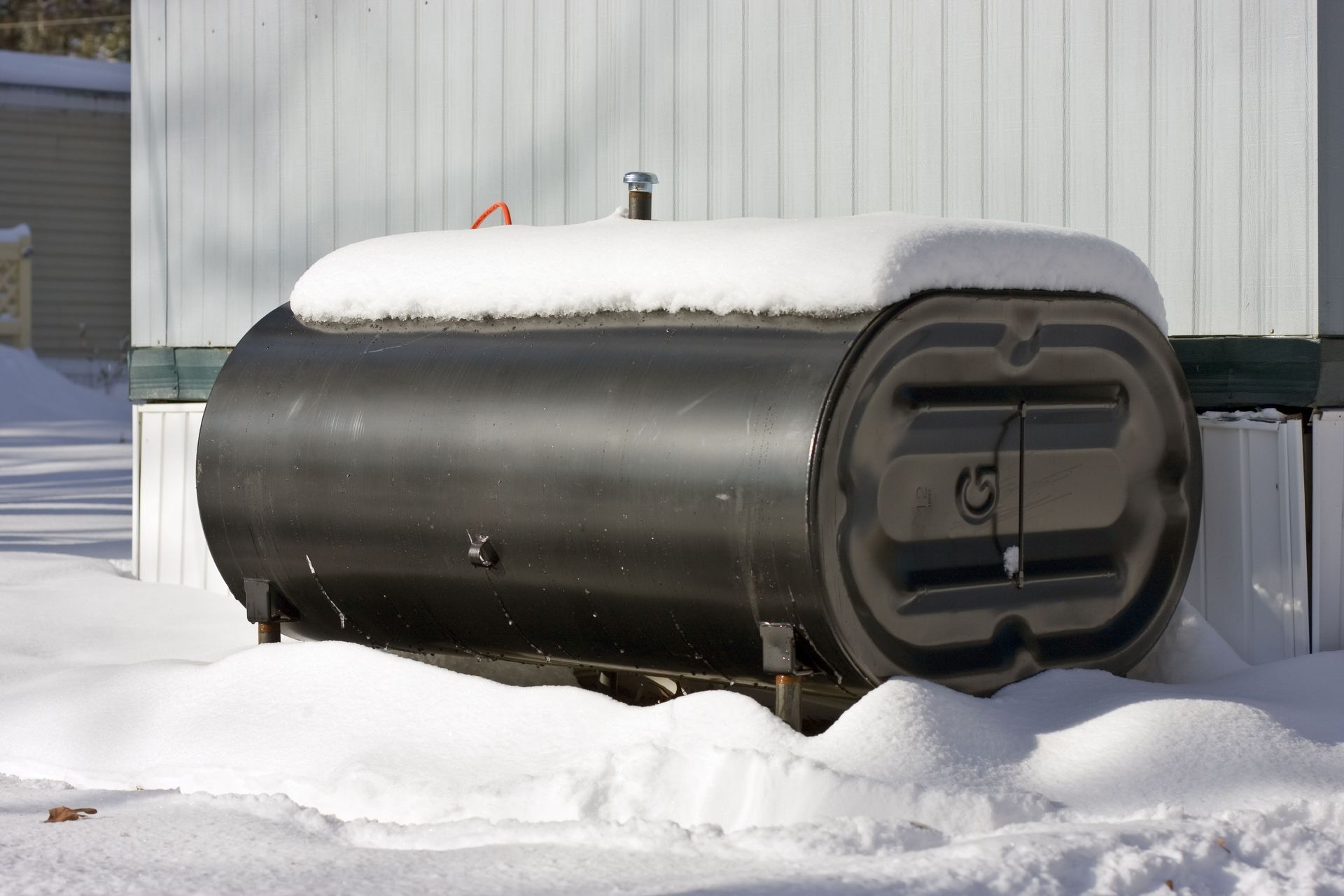
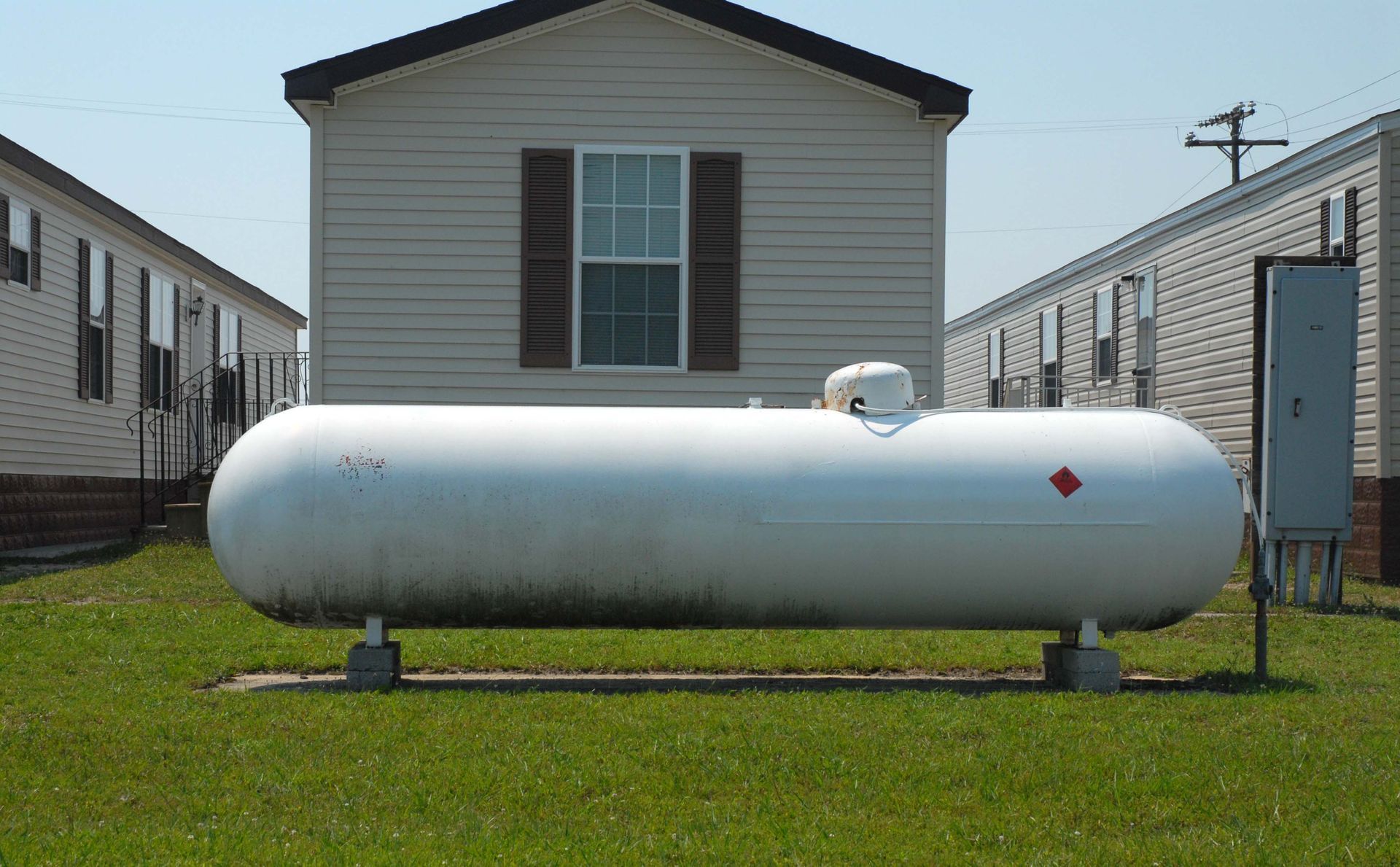
Existing oil tanks can require attention because of age, deterioration, corrosion, leaks, or other conditions. In some situations, removing the tank may be appropriate. In others, property owners may need to consider replacement or another available option.
Underground tank removal can include excavation, tank removal, environmental testing, post-removal soil testing, and remediation when contamination is identified. Addressing the tank and related environmental concerns together can provide a more complete approach to the project. The specific services can depend on the condition of the tank and surrounding property.
Consider Insurance Requirements
Insurance requirements or coverage concerns can be one reason a property owner may need to replace an aging above-ground oil tank. Visible rust, corrosion, deterioration, leaks, or other tank issues can also indicate that replacement should be considered. Evaluating the tank can help determine whether replacement is appropriate.
Above-ground oil tank replacement can include removal of the existing tank, installation of a replacement tank, site cleanup, permitting, code-compliance verification, environmental assessment, and system testing. These services can address the tank and related project requirements. The work performed depends on the needs of the property and replacement project.
Health and Environmental Concerns
Consider Air Quality Concerns
Oil tank contamination can affect more than the soil surrounding a property. Soil contamination can also affect groundwater and air quality, making professional evaluation important when a leak or spill is suspected. Evaluating the affected area can help identify potential environmental concerns.
Soil testing and remediation can help evaluate and address contamination associated with an oil tank leak or spill. These services can also be used when contamination is discovered during underground storage tank removal. The appropriate environmental work depends on the findings from the evaluation.
Respond to Emergency Tank Concerns
Suspected oil tank leaks and spills can require prompt professional attention. Emergency oil tank response can help property owners address urgent situations involving tanks and potential contamination. Prompt evaluation can help determine what services may be necessary.
When contamination is identified, environmental testing and soil remediation can be used to evaluate and address the affected property. These services can be coordinated with oil tank removal when necessary. The work can address both the tank and related environmental concerns.
Evaluate Contamination
When an oil tank leak or spill is suspected, professional evaluation can help determine whether contamination is present. DEC-compliant soil testing can identify potential contaminants, assess contamination levels, evaluate environmental impact, and help determine whether remediation is needed. The results can provide information about the condition of the affected area.
If remediation is required, contaminated soil can be addressed through an appropriate remediation process. Evaluating the property through testing helps establish the condition of the affected area and the environmental work required. This information can help determine the next steps for the property.
Regulatory Requirements and Compliance
Understand Local Requirements
Oil tank projects can involve local permitting, inspections, environmental requirements, and New York State Department of Environmental Conservation standards. Understanding the requirements that apply to a particular property can help ensure the appropriate steps are completed during an oil tank project. The applicable requirements can vary based on the property and scope of work.
Oil tank permitting, DEC-compliant soil testing, environmental testing, and regulatory compliance assistance can be part of the overall process. Underground oil tank removal may also require documentation and permits related to environmental compliance. Completing the applicable requirements can help keep the project organized.
Complete Required Testing
Environmental testing can be an important part of an underground oil tank removal project, particularly when the condition of the surrounding soil needs to be evaluated. Post-removal soil testing can help determine whether contamination is present after a tank has been removed. Testing can provide information about the property's environmental condition.
When testing identifies contamination, additional soil remediation may be necessary. Coordinating testing and remediation with tank removal allows the property's environmental condition to be evaluated as part of the project. The results can help establish what additional work is required.
Whether you are dealing with an underground tank, suspected contamination, a fuel spill, or an upcoming real estate transaction, Tank Soilutions can help evaluate the situation and determine the appropriate next steps. Learn more about our oil tank removal, replacement, soil testing, and remediation services. Our services can address tank-related and environmental requirements based on the condition of the property.